
Mod vs Requestly
Side-by-side comparison to help you choose the right AI tool.

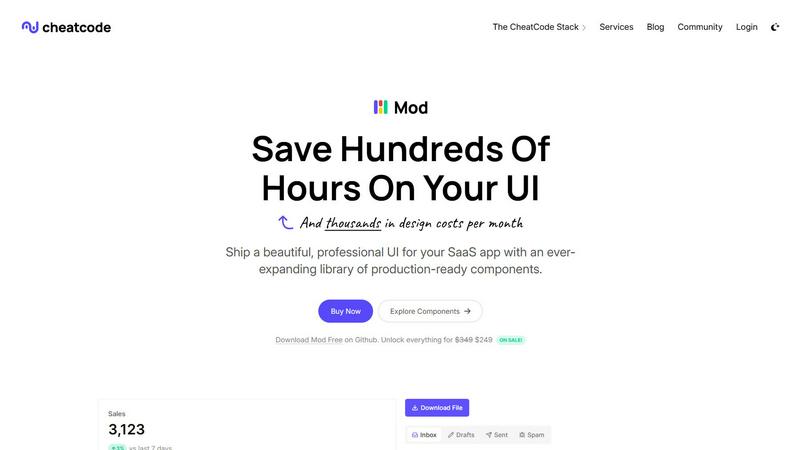
Mod is a CSS framework that accelerates SaaS UI development with a rich library of ready-to-use components.

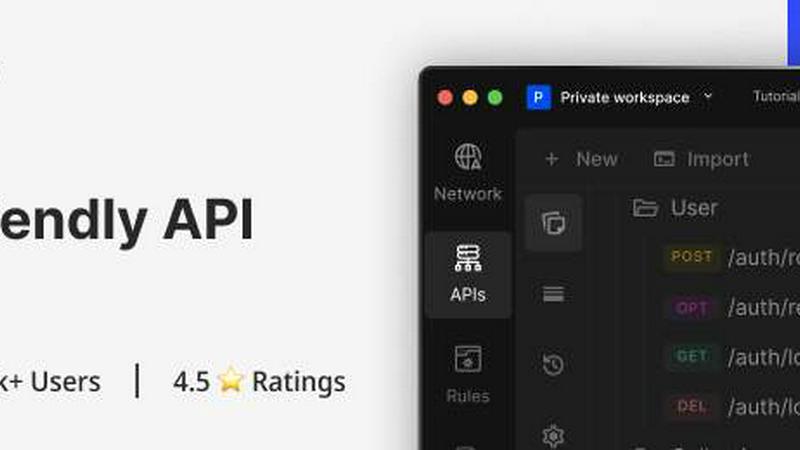
Requestly is a fast, git-based API client that requires no login for effortless testing and collaboration.
Last updated: April 4, 2026
Visual Comparison
Mod
Requestly
Feature Comparison
Mod
Extensive Component Library
Mod includes over 88 components that cover a wide range of UI needs, allowing developers to quickly implement common features without building from scratch. These components are designed to be easily customizable, enabling unique branding and user experiences.
Dynamic Styling Options
With 168 styles to choose from, Mod provides developers with the flexibility to create visually appealing interfaces. The styles are designed to be consistent and cohesive, ensuring a polished look throughout the application.
Responsive and Mobile-First Design
Mod is built with a mobile-first approach, ensuring that applications look great on all devices. This feature allows developers to prioritize mobile users and ensures that the user experience is smooth, regardless of screen size.
Framework-Agnostic Compatibility
Mod is compatible with various frameworks including Next.js, Nuxt, Vite, Svelte, Rails, and Django. This flexibility allows developers to use Mod in their preferred environment without being locked into a specific technology stack.
Requestly
Git-Native Collections
API collections are stored as local files (JSON/YAML), making them inherently compatible with Git. This allows developers to version control their API specs, track changes, perform code reviews on APIs, and collaborate using familiar Git workflows like branching and merging, directly integrating API development into the software development lifecycle.
No-Login, Local-First Operation
Start testing APIs instantly without creating an account. Requestly operates with a local-first philosophy, ensuring all your sensitive data, request history, and collections remain securely on your device. This eliminates concerns about cloud data breaches and provides superior performance by removing network latency from core operations.
One-Click Postman Import
Migrate to Requestly effortlessly by importing your existing Postman collections, environments, and scripts with a single click. This removes migration friction, allowing teams to switch and start benefiting from Requestly's lightweight and Git-native approach without losing any prior work or setup.
Free Team Collaboration
Collaborate effectively with shared workspaces and role-based access control (RBAC) at no cost. Team members can be assigned as Admins, Editors, or Viewers to manage APIs collectively. Combined with Git sync, this provides a flexible and powerful collaboration model tailored for developer teams.
Use Cases
Mod
Rapid Prototyping
Developers can use Mod to quickly prototype SaaS applications, leveraging pre-built components to reduce development time. This is ideal for startups looking to validate ideas without extensive design work.
Custom SaaS Solutions
Mod enables teams to create tailored SaaS solutions efficiently. By utilizing its extensive library, developers can craft unique interfaces that meet specific client needs while maintaining a professional appearance.
Enhancing User Experience
With its responsive design and dynamic styling options, Mod helps enhance user experience across devices. This is essential for applications that require high usability and accessibility for diverse user groups.
Streamlined Development Workflow
By integrating Mod into their workflow, developers can save time on design and focus on core functionality. This streamlining allows for faster iterations and quicker deployment of features.
Requestly
Development Teams Using Git Workflows
Ideal for teams that already use Git for source code management. They can store API collections alongside their codebase, ensuring API definitions are always in sync with application versions. Changes to APIs can be proposed, reviewed, and merged through pull requests, enforcing consistency and improving collaboration.
Security-Conscious Enterprises
Organizations with strict data privacy and security requirements benefit from Requestly's local-first storage and SOC-II compliance. Sensitive API keys, tokens, and request data never leave the corporate environment unless explicitly shared via secure, controlled methods like Git repositories or encrypted exports.
Rapid API Testing & Debugging
Developers working on frontend or backend services can use Requestly for quick, ad-hoc API testing, debugging, and exploration. The AI-assisted request building, environment variables, and local logs history streamline the process of testing endpoints and diagnosing issues without the overhead of a bulky client.
Migrating from Bloated API Clients
Teams frustrated with slow, login-required, or feature-bloated API clients can use Requestly as a high-performance alternative. The one-click import from tools like Postman makes transition seamless, immediately offering a faster, more controlled, and developer-friendly experience for daily API work.
Overview
About Mod
Mod is a powerful CSS framework designed specifically for building Software as a Service (SaaS) user interfaces. It is part of the CheatCode developer stack, which also includes Joystick for full-stack JavaScript development and Push for streamlined deployments. Mod provides over 88 pre-built components, 168 unique styles, and two customizable themes, making it versatile for various design needs. With more than 1,500 icons and a dark mode option, it enhances the visual appeal of applications. Its framework-agnostic nature allows seamless integration with popular platforms like Next.js, Nuxt, Vite, Svelte, Rails, and Django. Mod is perfect for solo developers and teams looking to speed up their development process, reduce design costs, and create polished, professional SaaS applications. With simple pricing and regular yearly updates, Mod is a valuable asset in any developer's toolkit.
About Requestly
Requestly is a modern, lightweight API client built for developers and teams who demand speed, control, and security in their API workflows. It serves as a powerful alternative to traditional, cloud-heavy tools by adopting a local-first architecture. This means all your data—collections, environments, and history—is stored directly on your machine, ensuring privacy and putting you in full control. A core differentiator is its Git-native design; API collections are stored as files, enabling seamless version control, branching, and collaboration through Git, just like your source code. Integrated AI assists in writing requests, generating tests, and debugging, significantly accelerating development cycles. Requestly supports both REST and GraphQL APIs with robust features like schema introspection, environment variables, and pre/post-request scripts. It prioritizes frictionless onboarding with no sign-up required and offers free team collaboration features, including shared workspaces and role-based access control. Trusted by over 300,000 developers from top companies, Requestly is the efficient, secure, and developer-centric choice for modern API development.
Frequently Asked Questions
Mod FAQ
What platforms can I use Mod with?
Mod is framework-agnostic and works seamlessly with Next.js, Nuxt, Vite, Svelte, Rails, Django, and more, allowing you to integrate it into your preferred development environment.
How does Mod support mobile users?
Mod is designed with a mobile-first approach, ensuring that all components and styles are responsive. This guarantees a smooth and engaging experience for users on smartphones and tablets.
Can I customize the components in Mod?
Yes, Mod provides extensive customization options for its components and styles, allowing developers to tailor the appearance and functionality to match their brand identity.
What kind of updates can I expect from Mod?
Mod offers yearly updates that include new features, improvements, and bug fixes. This ensures that developers always have access to the latest enhancements and can keep their applications modern and efficient.
Requestly FAQ
How is Requestly different from Postman?
Requestly is a local-first, Git-native API client that requires no login to start, while Postman is primarily cloud-based. Requestly stores collections as local files for easy Git integration, offers free team collaboration, and focuses on a lightweight, fast experience. Postman has a broader feature set but can be slower and requires account creation for full use.
Is my API data secure with Requestly?
Yes. Requestly employs a local-first architecture, meaning your collections, environment variables, and request history are stored on your local machine by default. For collaboration, you control how data is shared (e.g., via your own Git repo). Enterprise features include SOC-II compliance, data encryption, and SSO for enhanced security.
Can I collaborate with my team for free?
Absolutely. Requestly's free tier includes team collaboration features such as shared workspaces and role-based access control (Admin, Editor, Viewer). You can invite team members, manage permissions, and work together on API collections without any cost, unlike many competitors that charge for team features.
Does Requestly support GraphQL?
Yes, Requestly provides full support for GraphQL. It includes an intelligent GraphQL client with features like schema introspection, auto-completion for queries and mutations, and variable management. This makes it easy to test and debug GraphQL endpoints alongside your REST APIs in a unified interface.