
Fusedash vs Threat Watch
Side-by-side comparison to help you choose the right AI tool.

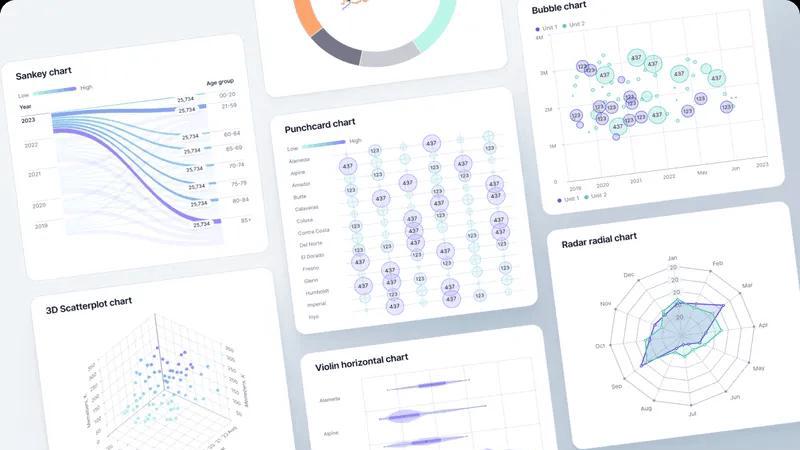
Fusedash transforms raw data into intuitive dashboards and charts, empowering teams to act on insights swiftly.
Last updated: March 4, 2026

Threat Watch
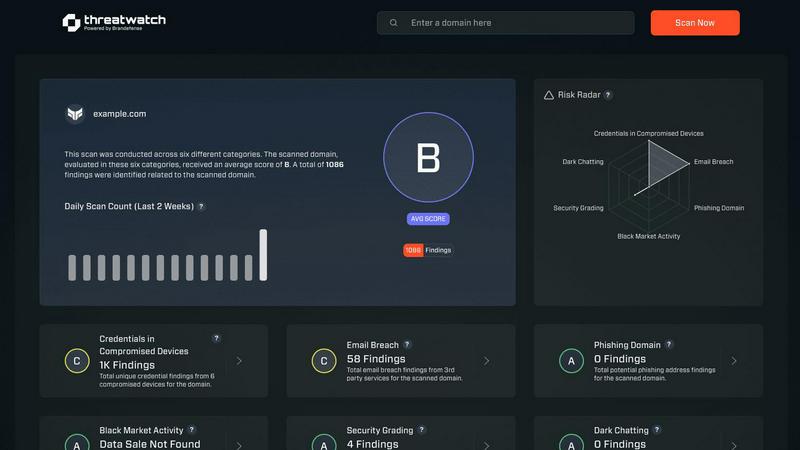
Quickly assess your cybersecurity health with Threat Watch's actionable insights on compromised accounts and devices.
Last updated: March 1, 2026
Visual Comparison
Fusedash
Threat Watch
Feature Comparison
Fusedash
Flexible Views
Fusedash provides the capability to create customized dashboards, charts, maps, and report-style views tailored to different audience needs. Teams can see what matters most without unnecessary back-and-forth, streamlining communication and decision-making.
AI Chart Generator
The AI Chart Generator allows users to create clear and impactful visuals from CSVs or API data in just minutes. This feature helps in selecting the most suitable chart type, applying comparisons, and refining labels to accurately convey the data story.
Dashboard Software
Fusedash centralizes dashboards and reporting into one workspace, ensuring that stakeholders receive consistent views. Users can combine performance metrics with narrative storytelling to add context, helping teams understand what has changed and its implications.
AI Chat
The Smart Chat feature enables users to ask questions in plain language, facilitating quicker data exploration. It provides suggestions for relevant metrics, charts, and breakdowns, making it easy to create shareable insights directly within dashboards.
Threat Watch
Comprehensive Cyber Health Assessment
Threat Watch provides a detailed evaluation of an organization’s cybersecurity posture by continuously scanning for vulnerabilities, compromised credentials, and potential threats, ensuring a holistic view of security health.
Automated Threat Intelligence
The platform automates the gathering and analysis of complex threat intelligence, reducing manual workload and providing real-time insights that help organizations identify emerging threats and assess their risk levels swiftly.
Prioritized Action Plan
By consolidating fragmented threat data, Threat Watch generates a single prioritized action plan. This enables organizations to focus on the most critical risks and respond effectively to mitigate potential damage.
Dark Web Monitoring
Threat Watch continuously monitors dark web activities to identify compromised credentials and breached accounts, allowing organizations to take immediate action to protect their assets from potential exploitation.
Use Cases
Fusedash
Marketing Campaign Analysis
Marketing teams can utilize Fusedash to analyze campaign performance by visualizing key metrics and KPIs in real-time. This allows for quick adjustments in strategy based on data-driven insights.
Sales Performance Monitoring
Sales departments can monitor performance trends and metrics through interactive dashboards. Fusedash enables them to drill down into specific regions or time periods, facilitating targeted sales strategies.
Financial Reporting
Finance teams can streamline their reporting processes by using Fusedash to create standardized reports that combine quantitative data with narrative context. This ensures stakeholders understand the financial health of the organization at a glance.
Project Management Tracking
Project managers can leverage Fusedash to visualize project timelines, resource allocation, and status updates. By integrating data from various sources, they can provide stakeholders with a comprehensive view of project progress.
Threat Watch
IT Security Monitoring
IT security teams can leverage Threat Watch to continuously monitor their digital assets for vulnerabilities and threats. The platform provides real-time alerts, helping teams respond swiftly to emerging risks.
Risk Management
Risk managers can use Threat Watch to assess the overall cybersecurity health of the organization. The actionable insights provided enable informed decision-making and risk prioritization to protect sensitive data.
Incident Response Planning
Organizations can utilize Threat Watch to develop effective incident response plans. The platform’s real-time threat intelligence assists teams in preparing for potential security incidents, minimizing response times and impact.
Compliance Assurance
Threat Watch aids organizations in maintaining compliance with industry regulations by providing comprehensive assessments of cybersecurity practices. This ensures that organizations meet required standards while safeguarding their data.
Overview
About Fusedash
Fusedash is an AI-powered data visualization platform that streamlines the way teams interact with their data. It empowers organizations to transform connected data into clear, actionable insights through a unified workspace. Users can create decision-ready dashboards, interactive charts, detailed maps, and narrative reports without the hassle of rebuilding logic across different tools. Fusedash's main value proposition is its ability to provide consistency and efficiency; once users define key metrics and KPIs, these definitions can be reused across all views and reports. This approach ensures that every team member, from leadership to marketing and operations, is aligned with the same trusted data. Fusedash is tailored for teams that seek to eliminate manual reporting cycles and conflicting narratives, allowing users to monitor real-time developments and understand underlying causes by drilling down into specific segments or timeframes. With integrated AI features such as natural language data chat and smart visualization assistance, Fusedash makes data exploration and reporting not only faster but also more accessible, turning raw data into a shared source of truth that fosters alignment and drives action.
About Threat Watch
Threat Watch is a unified cybersecurity intelligence platform that empowers organizations to gain a clear and actionable view of their digital security posture. Designed for IT security teams, risk managers, and business leaders, it shifts the focus from reactive security to proactive risk management. Threat Watch continuously analyzes an organization's assets, vulnerabilities, and exposures across critical security categories, providing a comprehensive cyber health assessment. Its core value proposition lies in its speed and clarity; the platform automates intricate threat intelligence gathering and analysis, delivering real-time insights. This enables users to identify, prioritize, and mitigate risks more efficiently. By consolidating data on compromised credentials, breached accounts, phishing addresses, and dark web exposures, Threat Watch transforms fragmented threat data into a prioritized action plan, ensuring organizations can act quickly to safeguard their digital environments.
Frequently Asked Questions
Fusedash FAQ
What types of data can Fusedash integrate?
Fusedash can integrate various data sources, including CSV files, APIs, and public datasets. This flexibility allows users to create comprehensive views without duplicating efforts.
How does Fusedash ensure data consistency?
Fusedash promotes data consistency by allowing users to define key performance indicators and metrics once, which can then be reused throughout the platform. This approach ensures all teams are working from the same trusted data.
Is Fusedash suitable for non-technical users?
Yes, Fusedash is designed to be user-friendly, making it accessible for both technical and non-technical users. The AI features, such as Smart Chat, guide users through data exploration without requiring extensive technical knowledge.
Can I customize dashboards for different stakeholders?
Absolutely! Fusedash allows users to customize dashboards, charts, and reports based on the specific needs and interests of different stakeholders, ensuring that everyone sees the most relevant data.
Threat Watch FAQ
What types of organizations can benefit from Threat Watch?
Threat Watch is designed for a wide range of organizations, including those in finance, healthcare, and technology sectors, where cybersecurity is critical to protecting sensitive information and maintaining compliance.
How does Threat Watch automate threat intelligence?
The platform utilizes advanced algorithms and machine learning to automate the collection and analysis of threat data from various sources, significantly reducing the time and effort required for manual threat assessments.
Can Threat Watch integrate with existing security tools?
Yes, Threat Watch is designed to integrate seamlessly with existing cybersecurity tools and platforms, allowing organizations to enhance their security posture without disrupting current workflows.
What is the process for starting with Threat Watch?
Organizations can easily initiate a free scan through the Threat Watch platform. This initial assessment provides valuable insights into their cybersecurity health, helping them understand their risk landscape.
Alternatives
Fusedash Alternatives
Fusedash is an AI-powered data visualization platform that simplifies the process of turning raw data into actionable insights through clear dashboards and charts. Falling under the categories of analytics and business intelligence, it enables organizations to create decision-ready reports and visualizations seamlessly. Users often seek alternatives due to factors such as pricing, feature sets, or specific platform compatibility that better aligns with their team's needs or workflows. When choosing an alternative, it's essential to consider factors such as ease of use, integration capabilities with existing systems, the flexibility of data visualization options, and the overall cost-effectiveness of the solution. Ensuring that the alternative offers robust support for collaboration and real-time data updates can also significantly enhance team productivity and decision-making processes.
Threat Watch Alternatives
Threat Watch is a comprehensive cybersecurity intelligence platform that empowers organizations to assess their digital security health with actionable insights. Designed for IT security teams, risk managers, and business leaders, it automates complex threat intelligence gathering and offers real-time assessments of vulnerabilities and exposures. Users often seek alternatives due to factors such as pricing, unique feature sets, or specific platform compatibility needs that better align with their organizational goals. When considering alternatives, look for platforms that provide robust threat intelligence, real-time monitoring capabilities, and an intuitive user interface. It's essential to evaluate the comprehensiveness of the cyber health assessments and whether the solution can effectively prioritize risks based on severity and context to ensure proactive risk management.