
Dubvid vs FAYFO
Side-by-side comparison to help you choose the right AI tool.

Dubvid
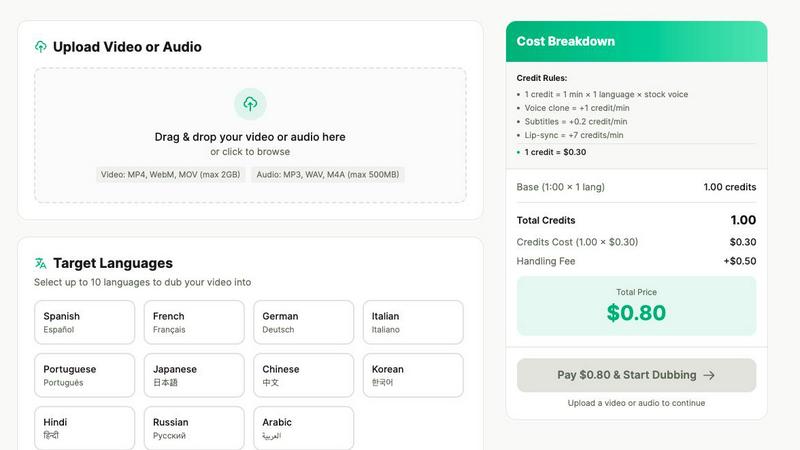
Dubvid dubs your audio and video into multiple languages with natural voices and optional lip-sync.
Last updated: February 27, 2026

Advanced Gen AI SaaS platform for online media that automates core newsroom publishers content workflows
Visual Comparison
Dubvid
FAYFO
Overview
About Dubvid
Dubvid is an AI-powered platform for instant video and audio dubbing. It allows anyone to translate and localize their content into multiple languages in minutes, not weeks. The core process is simple: upload your original video or audio file, select your target languages, and Dubvid's AI automatically handles the translation and voice generation. It recreates speech with a natural tone, pacing, and emotion, eliminating the need for expensive studio sessions, hiring voice actors, or complex editing software. Designed for creators, educators, and businesses, Dubvid empowers users to break down language barriers and scale their reach globally. With support for over 10 languages and features like voice cloning and optional lip-sync, it provides a professional, accessible solution for making content resonate with international audiences effortlessly.
About FAYFO
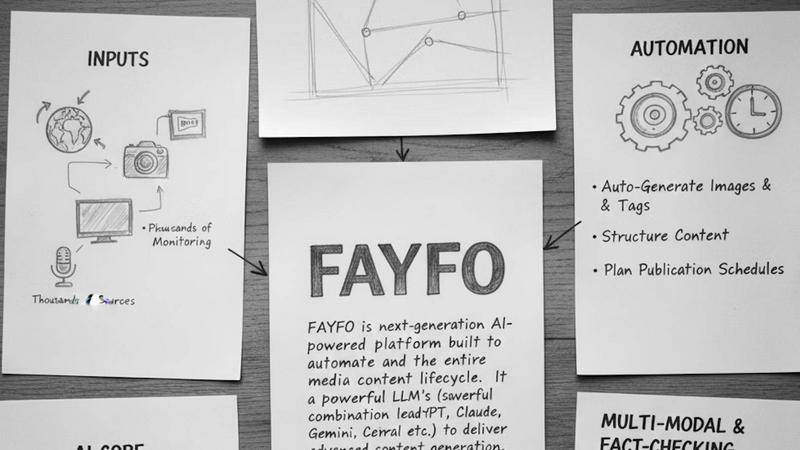
FAYFO is used on live media sites to replace and automate a significant part of newsroom production workflows, including monitoring, rewriting, enrichment, and publishing— through a multi-layered, cascading AI architecture purpose-built for media and social platforms.
FAYFO is not simple content generation. It is a complex production system combining cascading models, fine-tuned prompts, editorial logic, and dozens of custom media-specific functions. The result is content quality comparable to — and in many cases exceeding — traditional newsroom output, delivered at scale. The platform operates as a scalable “content factory” designed specifically for digital publishers. Targeting a €2.6Bn SAM within the global digital media market
On live media sites, FAYFO demonstrates:
- 70-% reduction in editorial costs
- 2–3× increase in content volume with the same resources
- 20+% quality uplift (structure, relevance, consistency)
- 80-% reduction in production time from source to publication.