
Dubvid vs Patrivox
Side-by-side comparison to help you choose the right AI tool.

Dubvid
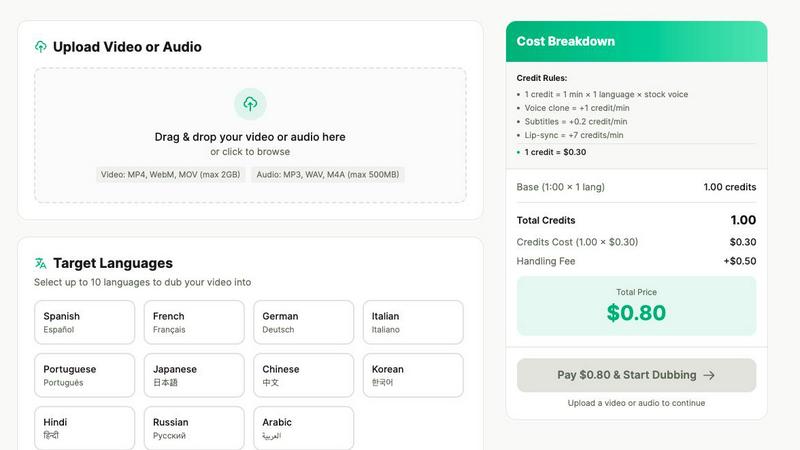
Dubvid dubs your audio and video into multiple languages with natural voices and optional lip-sync.
Last updated: February 27, 2026

Patrivox
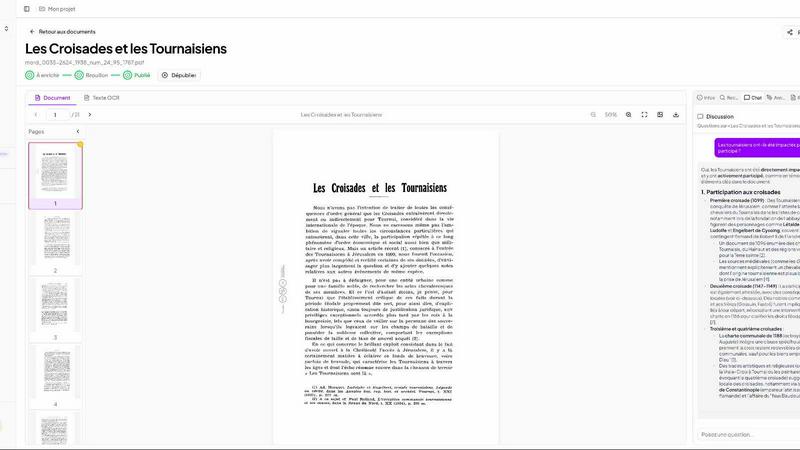
Patrivox uses AI to quickly digitize, classify, and make your documents fully searchable in just minutes.
Visual Comparison
Dubvid
Patrivox
Overview
About Dubvid
Dubvid is an AI-powered platform for instant video and audio dubbing. It allows anyone to translate and localize their content into multiple languages in minutes, not weeks. The core process is simple: upload your original video or audio file, select your target languages, and Dubvid's AI automatically handles the translation and voice generation. It recreates speech with a natural tone, pacing, and emotion, eliminating the need for expensive studio sessions, hiring voice actors, or complex editing software. Designed for creators, educators, and businesses, Dubvid empowers users to break down language barriers and scale their reach globally. With support for over 10 languages and features like voice cloning and optional lip-sync, it provides a professional, accessible solution for making content resonate with international audiences effortlessly.
About Patrivox
Patrivox is a cutting-edge European SaaS platform designed to empower organizations such as heritage institutions, municipal services, associations, and enterprises to transform their vast collections of scanned documents into a fully searchable knowledge base. With Patrivox, users can simply drag and drop their PDFs, and within minutes, Mistral AI utilizes advanced optical character recognition (OCR) technology to extract every word. This platform not only identifies key entities like people, places, and organizations but also connects them in an interactive knowledge graph. Patrivox caters to those who need quick access to information, allowing users to search instantly with typo tolerance or ask questions in natural language, with the AI providing sourced answers. Its main value proposition lies in making previously inaccessible knowledge easily searchable and shareable, opening doors for research and public access.