
Changeflow vs Patrivox
Side-by-side comparison to help you choose the right AI tool.

Changeflow
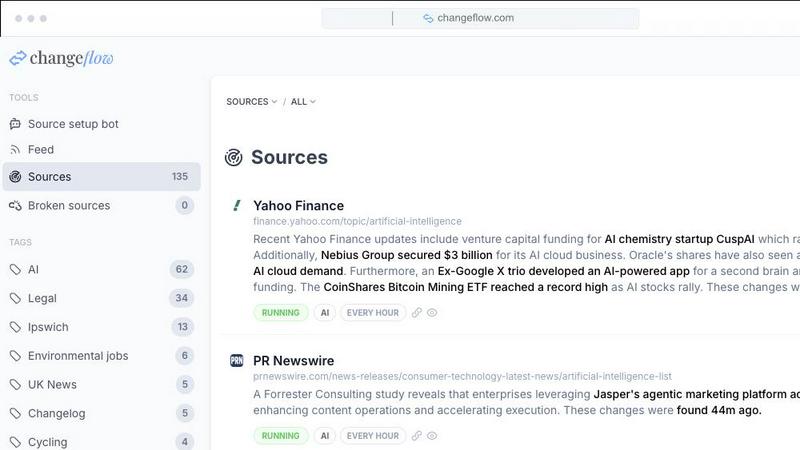
Changeflow uses AI to track and summarize only the critical website changes that matter to your business.
Last updated: March 4, 2026

Patrivox
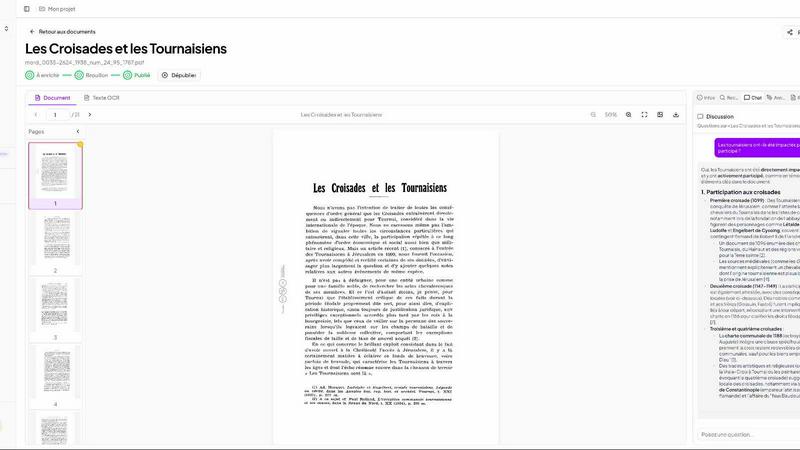
Patrivox uses AI to quickly digitize, classify, and make your documents fully searchable in just minutes.
Visual Comparison
Changeflow
Patrivox
Overview
About Changeflow
Changeflow is an AI-powered web monitoring platform that intelligently tracks changes on web pages. It goes beyond simple alerts to understand the context of updates, summarizing only the important changes that matter to your business. Users simply describe what they want to track in plain English and point the tool at a target page. Changeflow then handles the complex technical work, including navigating login walls and JavaScript-heavy sites with a 99.9% success rate, turning any webpage into a clean feed of relevant updates. It is built for business and enterprise teams who need reliable, actionable intelligence from the web. Core users include competitive intelligence teams tracking pricing, legal professionals monitoring court dockets, compliance officers following regulatory updates, and marketing teams tracking news and mentions. The platform saves thousands of manual hours by eliminating false alerts and providing clear, AI-generated summaries of critical changes as they happen.
About Patrivox
Patrivox is a cutting-edge European SaaS platform designed to empower organizations such as heritage institutions, municipal services, associations, and enterprises to transform their vast collections of scanned documents into a fully searchable knowledge base. With Patrivox, users can simply drag and drop their PDFs, and within minutes, Mistral AI utilizes advanced optical character recognition (OCR) technology to extract every word. This platform not only identifies key entities like people, places, and organizations but also connects them in an interactive knowledge graph. Patrivox caters to those who need quick access to information, allowing users to search instantly with typo tolerance or ask questions in natural language, with the AI providing sourced answers. Its main value proposition lies in making previously inaccessible knowledge easily searchable and shareable, opening doors for research and public access.