
3DAIStudio vs FAYFO
Side-by-side comparison to help you choose the right AI tool.

3DAIStudio
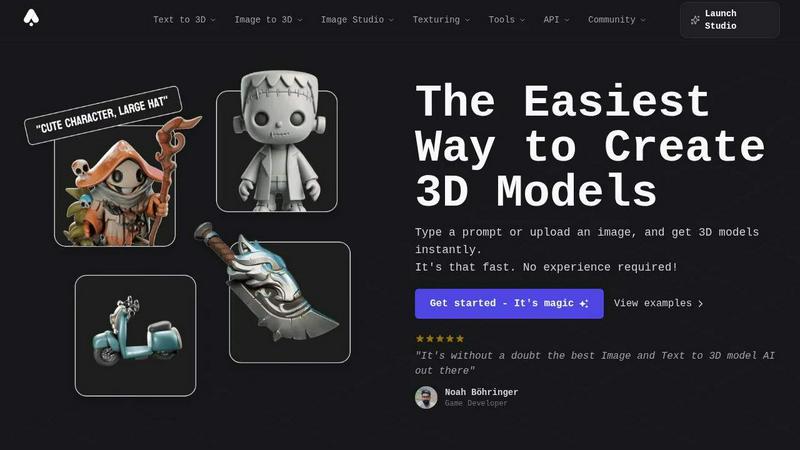
Transform images and text into stunning 3D models instantly with 3DAIStudio, no experience needed.
Last updated: April 4, 2026

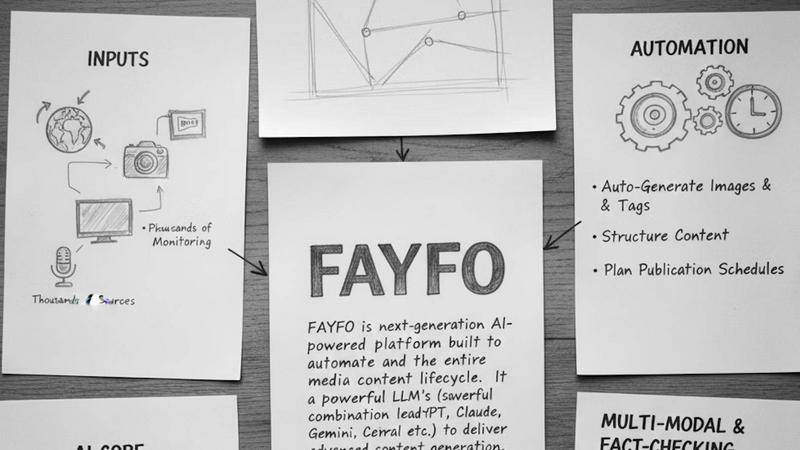
Advanced Gen AI SaaS platform for online media that automates core newsroom publishers content workflows
Visual Comparison
3DAIStudio
FAYFO
Overview
About 3DAIStudio
3DAIStudio is an innovative AI-powered toolkit designed to streamline the creation of high-quality 3D models from text or images. It caters to a diverse audience including designers, developers, and creatives, enabling them to generate custom 3D assets in mere seconds. This revolutionary platform allows users to unleash their imagination without the need for extensive 3D modeling experience. By converting simple prompts or images into detailed 3D models, 3DAIStudio significantly reduces the time and effort traditionally required for asset creation. With features like texturing, quad-remeshing, and an API for seamless integration, it empowers over a million creators to produce professional-grade 3D content efficiently. Experience the future of 3D asset generation with 3DAIStudio, where creativity meets cutting-edge technology.
About FAYFO
FAYFO is used on live media sites to replace and automate a significant part of newsroom production workflows, including monitoring, rewriting, enrichment, and publishing— through a multi-layered, cascading AI architecture purpose-built for media and social platforms.
FAYFO is not simple content generation. It is a complex production system combining cascading models, fine-tuned prompts, editorial logic, and dozens of custom media-specific functions. The result is content quality comparable to — and in many cases exceeding — traditional newsroom output, delivered at scale. The platform operates as a scalable “content factory” designed specifically for digital publishers. Targeting a €2.6Bn SAM within the global digital media market
On live media sites, FAYFO demonstrates:
- 70-% reduction in editorial costs
- 2–3× increase in content volume with the same resources
- 20+% quality uplift (structure, relevance, consistency)
- 80-% reduction in production time from source to publication.