

Explore 20 alternatives to Opal. Compare features, pricing, and find the best fit for your needs.

MD to Text
Convert Markdown to clean, readable plain text in your browser. Strip formatting, keep the content, and copy clean output for AI prompts and docs.

Panzoe
Panzoe is an all-in-one AI platform for personal productivity, business automation, AI assistants, content creation, and custom AI solutions.
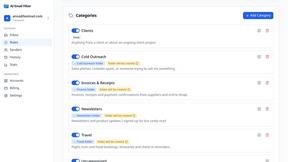
AI Email Filter
AI Email Filter sorts incoming mail into folders using plain-language prompts you write. Works with any IMAP mailbox; bring your own LLM if you want.

Partly
Snap the receipt, let AI read the items, and see who owes whom in your flat, trip or dinner group.

Product Launch Checklist
A free launch checklist for SaaS, apps, AI tools and more. Every step says why it matters and when you can skip it.
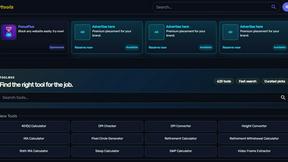
Kody Tools
Free collection of online developer utilities, code formatters, and digital converters designed to streamline your daily workflow.

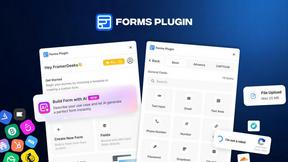
Forms Plugin
The #1 Native Form Builder Plugin for Framer - No Code, No Embeds, No External Platforms.

HomeAnswerBook
Practical, independent guides to home repairs, maintenance, costs, troubleshooting, and everyday fixes.
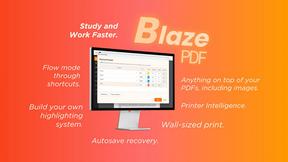
BlazePDF
Highlight faster. Study in flow with custom shortcuts and a workflow built around you. Print smarter, or turn any page into a tiled poster.
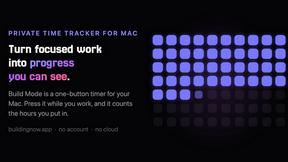
Build Mode for Mac
Build Mode is a Mac app that turns focused sessions into visible progress, so you can see the work adding up before the results arrive.


GROWNX
Real-time downloads, revenue, and reviews across your App Store portfolio, plus an AI copilot.

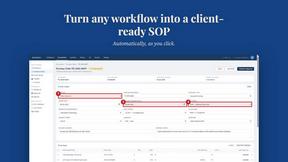
MySOP.guru
Capture any workflow in your browser and export a branded, step-by-step SOP with screenshots. €5 per document, no subscription.

PerPageFax
PerPageFax lets you send a fax online from any browser for a flat $0.50 per page — no account, no subscription, no fax machine.
About Opal Alternatives
Opal is a visual knowledge and project management workspace designed to organize projects and notes on an infinite digital canvas. It falls into the productivity and management software category, specifically appealing to users who prefer a spatial, non-linear way of working. This approach helps users remember where information is placed visually, making retrieval intuitive and fast for solopreneurs, consultants, and creative professionals. Users often explore alternatives to Opal for various reasons, such as budget constraints, specific feature requirements, or compatibility needs with different operating systems and devices. Some may seek more traditional project management tools with rigid structures like Gantt charts, while others might prioritize real-time collaboration features or a different pricing model. When evaluating alternatives, it's crucial to consider your primary workflow style, essential integration needs, and whether you value visual flexibility over structured hierarchies.
FAQs about Opal Alternatives
What is Opal?
Opal is a visual knowledge and project management workspace. It provides an infinite digital canvas where you can drag and drop notes, documents, files, and links to organize them spatially. This design leverages spatial memory, helping you remember where things are placed for instant retrieval, moving beyond traditional nested folders.
Who is Opal for?
Opal is built for solopreneurs, consultants, agency owners, writers, and anyone whose business relies on managing conversations, details, and active projects. It is ideal for people who think spatially and feel constrained by linear or folder-based apps, offering a refreshingly intuitive solution to keep their entire world of work visible and top-of-mind.
What are the main features of Opal?
Opal's core feature is its infinite visual canvas for spatially organizing all types of content. You can freely drag and drop notes, documents, files, and links just like on a physical desk. This creates a visual workspace that keeps all active projects, client details, and creative ideas immediately accessible, eliminating the need to search through nested folders.
Why choose Opal?
Choose Opal if you are tired of losing notes in traditional apps and prefer a visual, intuitive way to manage knowledge and projects. Its spatial organization helps you stop searching and maintain flow, making it perfect for visual thinkers. It consolidates your active work into a single, memorable canvas so you can focus on doing your best work.