
Nani vs Quitlo
Side-by-side comparison to help you choose the right AI tool.

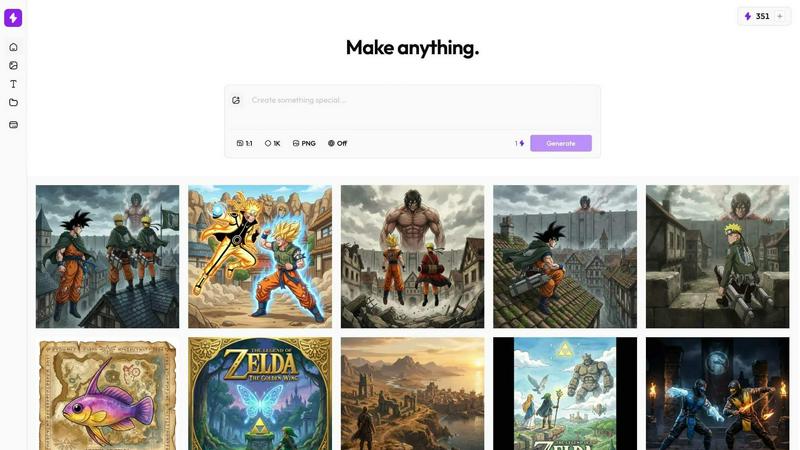
Nani transforms AI image generation by organizing prompts and images into reusable sets for effortless creativity.
Last updated: February 26, 2026

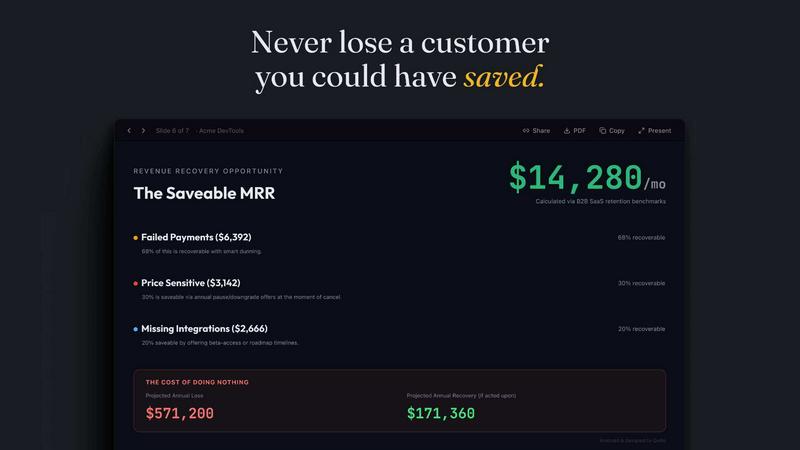
Quitlo uses AI voice calls to uncover customer churn reasons and delivers insights to your team in minutes.
Last updated: March 4, 2026
Visual Comparison
Nani
Quitlo
Feature Comparison
Nani
User-Friendly Interface
Nani boasts a simple and intuitive interface that is designed to minimize distractions. Users can quickly generate stunning images without a steep learning curve, allowing them to focus solely on the creative process.
Reusable Prompt Sets
This feature enables users to group images and save prompts as reusable sets. By maintaining consistent characters, styles, and workflows, creators can easily manage multiple projects without starting from scratch each time.
Organized Library Management
Nani allows users to create folders, filter by favorites, and bulk-select images. This organizational capability helps keep the library tidy and scalable, ensuring that users can find and manage their creations with ease.
Seamless Workflow Integration
Nani supports drag-and-drop functionality for images, making it easy to use references. Users can also share their creations through public links, allowing others to recreate their work in their own accounts, fostering collaboration and inspiration.
Quitlo
Automated Signal Detection
Quitlo automatically detects customer signals such as cancellations, low satisfaction scores, and failed payments. This proactive approach ensures that companies never miss an opportunity to engage with customers at critical moments in their journey.
Intelligent AI Conversations
Instead of static forms, Quitlo engages customers in real-time, two-minute conversations powered by AI. This dynamic interaction captures the full context of churn, providing deeper insights that traditional surveys cannot.
Actionable Insights and Summaries
Within minutes of a conversation, Quitlo delivers a structured summary directly to team collaboration tools like Slack. This summary includes churn reasons, customer sentiment analysis, competitor mentions, and suggested next steps for retention.
Multiple Entry Points for Engagement
Quitlo provides various triggers for initiating conversations, including cancellations, low NPS scores, payment failures, and onboarding milestones. This flexibility ensures comprehensive coverage of every moment a customer might consider leaving.
Use Cases
Nani
Graphic Designers
Graphic designers can leverage Nani to streamline their workflow, saving prompts and maintaining design consistency across multiple projects. This allows them to produce high-quality visuals more efficiently.
Content Creators
Content creators can use Nani to generate images for blogs, social media, and marketing materials. With quick image generation and organized libraries, they can focus on content strategy rather than image sourcing.
Game Developers
Game developers can utilize Nani to create assets for their games, ensuring consistent styles and characters. The ability to save and reuse prompt sets speeds up the asset creation process significantly.
Educators and Trainers
Educators can employ Nani to create engaging visual content for presentations and learning materials. The straightforward interface allows for rapid image generation, helping to enhance the learning experience.
Quitlo
Understanding Customer Churn
When a customer initiates cancellation, Quitlo engages them with a quick AI conversation to uncover the underlying reasons. This allows companies to gain insights into customer dissatisfaction and refine their offerings.
Improving Customer Satisfaction Scores
For customers who indicate low NPS or CSAT scores, Quitlo initiates conversations to understand their concerns. This feedback can be used to improve product features and enhance overall customer satisfaction.
Recovery of Failed Payments
When a payment fails, Quitlo can reach out to the customer to understand the situation. This engagement can help recover lost revenue and provide insights into potential billing issues.
Win-Back Opportunities
For customers who have churned, Quitlo can initiate a follow-up conversation 90 days post-churn. This allows companies to understand why customers left and identify potential win-back strategies to regain their business.
Overview
About Nani
Nani is an innovative workflow tool tailored specifically for enhancing the AI image generation process. Unlike conventional AI image tools that focus on one-off creations, Nani is designed for users who engage in regular and repetitive tasks. It streamlines the entire workflow, eliminating the need for constant prompt rewriting and endless scrolling through image feeds. Built on Google's advanced Nano Banana Pro (Gemini) technology, Nani caters to artists, designers, and content creators looking to boost their productivity. The platform offers a user-friendly interface that allows for rapid image generation, while unique features like reusable prompt sets and organized folders ensure consistency and efficiency in creative projects. With Nani, users can devote more energy to their artistic vision and less to the logistical details of image creation.
About Quitlo
Quitlo is the first Churn Intelligence Platform designed specifically for B2B SaaS companies, addressing a critical challenge in customer retention. Traditional methods like exit surveys and cancellation forms yield minimal insights, with response rates as low as 8% and vague answers that leave teams guessing. Quitlo revolutionizes this process by replacing static forms with adaptive, empathetic AI conversations through both voice and text. The platform automatically detects critical signals such as cancellations, low NPS scores, or payment failures, and initiates a genuine two-minute dialogue with customers. This approach ensures that teams receive detailed and actionable insights into why customers leave. Quitlo delivers structured summaries directly to tools like Slack or Jira, highlighting churn reasons, customer sentiment, competitor mentions, and clear save opportunities. By transforming simple data points into concrete retention strategies, Quitlo empowers companies to save revenue and understand the true drivers behind customer decisions.
Frequently Asked Questions
Nani FAQ
How does Nani enhance AI image generation?
Nani simplifies AI image generation by offering a streamlined workflow, allowing users to save prompts, organize their work, and generate images quickly without unnecessary complexity.
Is there a learning curve associated with using Nani?
No, Nani features a user-friendly interface that is designed for ease of use. Users can start creating images right away, with no prior experience required.
What are the costs associated with using Nani?
Nani operates on a credit-based billing system, costing approximately 30 cents per generation for standard resolutions. Users can start with 5 free credits to explore the platform without any upfront investment.
Can I share my creations with others?
Yes, Nani allows users to share their generated images through public links, fostering collaboration and enabling others to recreate your work in their own accounts.
Quitlo FAQ
How does Quitlo improve customer retention?
Quitlo improves retention by engaging customers in meaningful conversations at critical moments, capturing comprehensive insights that inform retention strategies.
What types of signals does Quitlo detect?
Quitlo detects various signals, including customer cancellations, low NPS scores, failed payments, and inactivity after onboarding, ensuring no opportunity for engagement is missed.
How quickly can we expect insights from Quitlo?
Quitlo delivers structured summaries of customer conversations within minutes, providing timely insights that teams can act on immediately.
Is Quitlo suitable for all types of businesses?
While Quitlo is specifically designed for B2B SaaS companies, its adaptive AI conversation technology can benefit any business that seeks to understand customer behavior and improve retention.
Alternatives
Nani Alternatives
Nani is a cutting-edge workflow tool designed specifically for AI image generation. It falls into the category of AI assistants, catering to artists, designers, and content creators who seek to enhance their creative processes. Users often look for alternatives to Nani due to various factors, including pricing options, feature sets, and platform compatibility. As creative needs evolve, individuals may seek tools that offer unique functionalities, better integration with their existing workflows, or more flexible pricing structures. When selecting an alternative, consider the specific features that align with your creative workflow. Look for tools that provide user-friendly interfaces, organizational capabilities for prompts and images, and the ability to iterate visually on previous work. Evaluating customer support, community engagement, and integration possibilities with other software can also enhance your decision-making process.
Quitlo Alternatives
Quitlo is an innovative Churn Intelligence Platform designed specifically for B2B SaaS companies. By leveraging AI-driven voice calls, Quitlo aims to uncover the underlying reasons customers leave, offering teams valuable insights that traditional surveys often miss. With low response rates and vague answers common in standard cancellation forms, many users seek alternatives that provide deeper, actionable data and a more engaging customer experience. Users commonly look for alternatives to Quitlo due to reasons such as pricing, feature sets, and specific platform needs that may not align with their business model. When selecting an alternative, it is essential to consider the solution's ability to effectively gather customer insights, the adaptability of its communication methods, and the integration capabilities with existing tools. A robust alternative should provide comprehensive data that can directly inform retention strategies.