
Mod vs qtrl.ai
Side-by-side comparison to help you choose the right AI tool.

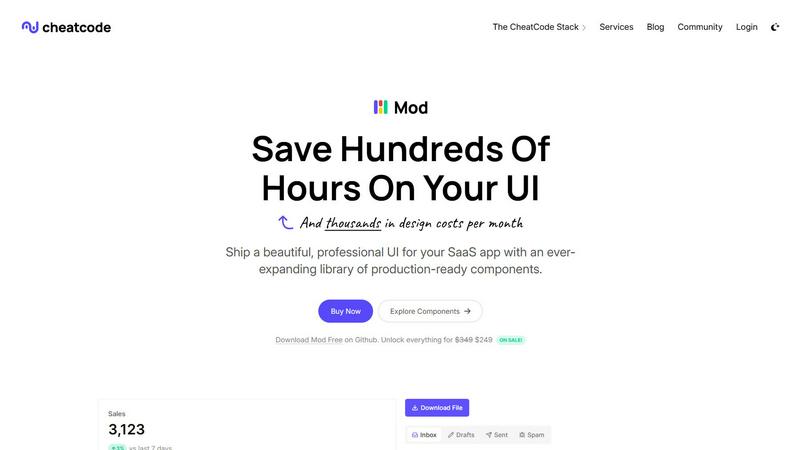
Mod is a CSS framework that accelerates SaaS UI development with a rich library of ready-to-use components.

qtrl.ai
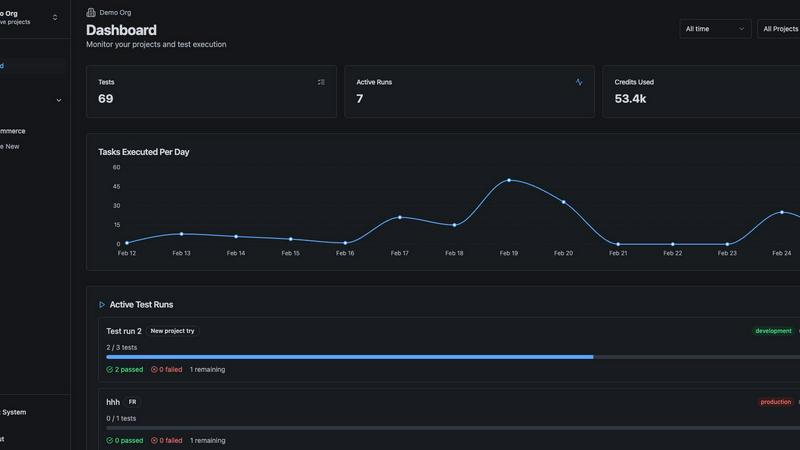
qtrl.ai empowers QA teams to scale testing with AI while maintaining complete control and governance over processes.
Last updated: March 4, 2026
Visual Comparison
Mod
qtrl.ai
Feature Comparison
Mod
Extensive Component Library
Mod includes over 88 components that cover a wide range of UI needs, allowing developers to quickly implement common features without building from scratch. These components are designed to be easily customizable, enabling unique branding and user experiences.
Dynamic Styling Options
With 168 styles to choose from, Mod provides developers with the flexibility to create visually appealing interfaces. The styles are designed to be consistent and cohesive, ensuring a polished look throughout the application.
Responsive and Mobile-First Design
Mod is built with a mobile-first approach, ensuring that applications look great on all devices. This feature allows developers to prioritize mobile users and ensures that the user experience is smooth, regardless of screen size.
Framework-Agnostic Compatibility
Mod is compatible with various frameworks including Next.js, Nuxt, Vite, Svelte, Rails, and Django. This flexibility allows developers to use Mod in their preferred environment without being locked into a specific technology stack.
qtrl.ai
Autonomous QA Agents
qtrl.ai's autonomous QA agents execute instructions on demand or continuously, providing the flexibility to run tests across multiple environments at scale. These agents operate within your defined rules, ensuring that real browser execution is achieved without relying on simulations.
Enterprise-Grade Test Management
The platform offers centralized management of test cases, plans, and runs, ensuring full traceability and comprehensive audit trails. With support for both manual and automated workflows, it is designed to meet compliance and auditability requirements, making it suitable for enterprises.
Progressive Automation
Begin with human-written test instructions and progressively transition to AI-generated tests as your team becomes ready. qtrl.ai suggests new tests based on coverage gaps, enabling teams to review, approve, and refine tests at every stage of the process.
Adaptive Memory
qtrl.ai builds a living knowledge base of your application, learning from exploration, test execution, and identified issues. This capability powers context-aware test generation, becoming more effective with each interaction and enhancing overall testing efficiency.
Use Cases
Mod
Rapid Prototyping
Developers can use Mod to quickly prototype SaaS applications, leveraging pre-built components to reduce development time. This is ideal for startups looking to validate ideas without extensive design work.
Custom SaaS Solutions
Mod enables teams to create tailored SaaS solutions efficiently. By utilizing its extensive library, developers can craft unique interfaces that meet specific client needs while maintaining a professional appearance.
Enhancing User Experience
With its responsive design and dynamic styling options, Mod helps enhance user experience across devices. This is essential for applications that require high usability and accessibility for diverse user groups.
Streamlined Development Workflow
By integrating Mod into their workflow, developers can save time on design and focus on core functionality. This streamlining allows for faster iterations and quicker deployment of features.
qtrl.ai
Product-Led Engineering Teams
For product-led engineering teams, qtrl.ai facilitates rapid testing cycles without sacrificing quality. Teams can manage test cases effectively while leveraging AI for automation, ensuring that product releases are both timely and reliable.
QA Teams Scaling Beyond Manual Testing
QA teams looking to expand their testing capabilities find qtrl.ai invaluable. The combination of enterprise-grade test management and AI-driven automation allows these teams to move beyond manual testing, increasing efficiency and accuracy in their workflows.
Companies Modernizing Legacy QA Workflows
Organizations transitioning from outdated QA practices can leverage qtrl.ai to modernize their quality assurance processes. With progressive automation and built-in compliance features, teams can streamline testing and adapt to new technologies seamlessly.
Enterprises Requiring Governance and Traceability
For enterprises that mandate strict governance and traceability, qtrl.ai provides comprehensive audit trails and permissioned autonomy levels. This ensures that all testing activities are transparent, controlled, and compliant with industry regulations.
Overview
About Mod
Mod is a powerful CSS framework designed specifically for building Software as a Service (SaaS) user interfaces. It is part of the CheatCode developer stack, which also includes Joystick for full-stack JavaScript development and Push for streamlined deployments. Mod provides over 88 pre-built components, 168 unique styles, and two customizable themes, making it versatile for various design needs. With more than 1,500 icons and a dark mode option, it enhances the visual appeal of applications. Its framework-agnostic nature allows seamless integration with popular platforms like Next.js, Nuxt, Vite, Svelte, Rails, and Django. Mod is perfect for solo developers and teams looking to speed up their development process, reduce design costs, and create polished, professional SaaS applications. With simple pricing and regular yearly updates, Mod is a valuable asset in any developer's toolkit.
About qtrl.ai
qtrl.ai is a cutting-edge quality assurance platform engineered to empower software teams in scaling their QA processes while maintaining robust control and governance. By merging enterprise-level test management with advanced AI automation, qtrl.ai serves as a centralized hub for organizing test cases, planning test runs, and tracing requirements to coverage. The platform offers real-time dashboards that provide insights into testing status, pass rates, and potential risks, enabling engineering leads and QA managers to make informed decisions.
What sets qtrl.ai apart is its progressive AI layer, which allows teams to adopt intelligent automation incrementally. Starting with manual test management, teams can gradually transition to autonomous agents that generate UI tests from plain English descriptions. These agents manage tests as applications evolve and execute them across various browsers and environments. This makes qtrl.ai an ideal solution for product-led engineering teams, QA groups moving away from manual testing, organizations modernizing outdated workflows, and enterprises that demand strict compliance and audit trails. Ultimately, qtrl.ai aims to bridge the gap between the slow pace of manual testing and the complexities of traditional automation, offering a reliable path toward faster, more intelligent quality assurance.
Frequently Asked Questions
Mod FAQ
What platforms can I use Mod with?
Mod is framework-agnostic and works seamlessly with Next.js, Nuxt, Vite, Svelte, Rails, Django, and more, allowing you to integrate it into your preferred development environment.
How does Mod support mobile users?
Mod is designed with a mobile-first approach, ensuring that all components and styles are responsive. This guarantees a smooth and engaging experience for users on smartphones and tablets.
Can I customize the components in Mod?
Yes, Mod provides extensive customization options for its components and styles, allowing developers to tailor the appearance and functionality to match their brand identity.
What kind of updates can I expect from Mod?
Mod offers yearly updates that include new features, improvements, and bug fixes. This ensures that developers always have access to the latest enhancements and can keep their applications modern and efficient.
qtrl.ai FAQ
How does qtrl.ai ensure test accuracy?
qtrl.ai ensures test accuracy by allowing teams to write high-level instructions that the platform executes precisely as described. Additionally, the AI layer suggests new tests based on coverage gaps, enabling continuous improvement.
What makes qtrl.ai different from traditional QA tools?
qtrl.ai distinguishes itself with its progressive automation approach, allowing teams to start with manual testing and gradually integrate AI. This mitigates the risks associated with fully autonomous systems, providing a balanced solution.
Can qtrl.ai integrate with existing tools?
Yes, qtrl.ai is designed to work seamlessly with your existing tools and workflows. It supports requirements management integration and CI/CD pipeline compatibility, enhancing your current QA processes.
Is qtrl.ai suitable for all types of organizations?
Absolutely. qtrl.ai caters to various organizations, from product-led engineering teams and QA groups scaling beyond manual testing to enterprises needing strict governance and traceability. Its flexibility makes it adaptable to diverse QA needs.