
fnel vs Fusedash
Side-by-side comparison to help you choose the right AI tool.

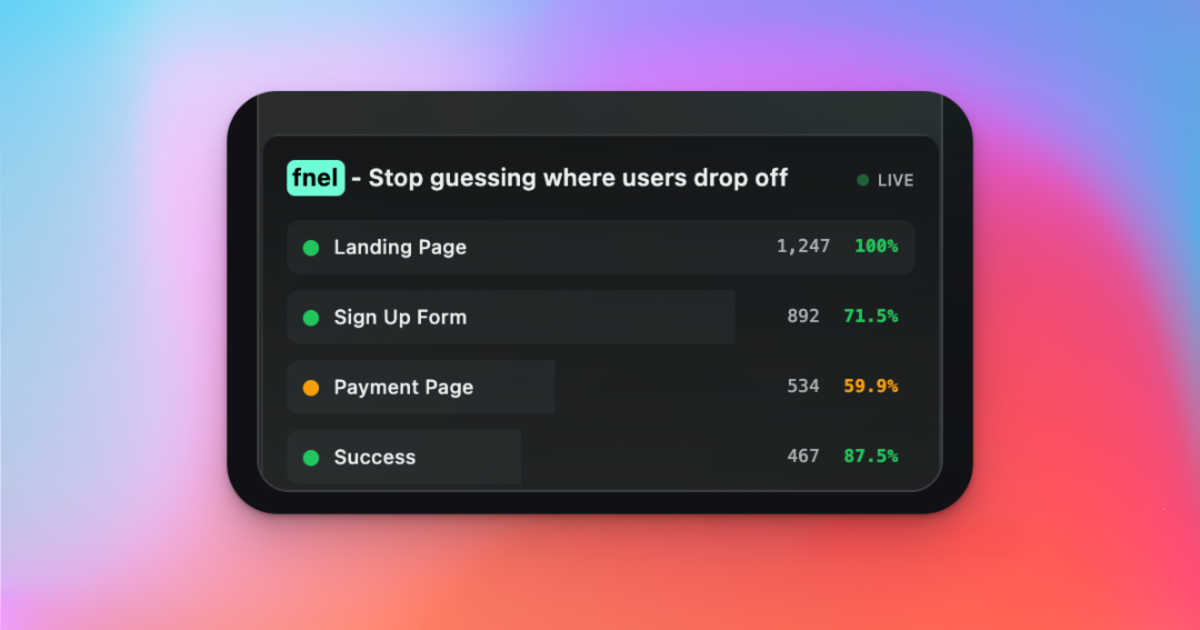
Fnel helps solo founders track funnel performance in real-time to identify and fix conversion drop-offs effortlessly.
Last updated: March 1, 2026

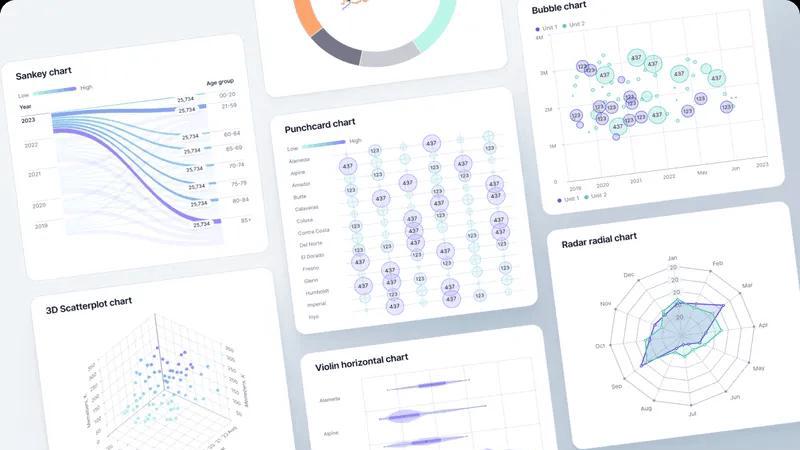
Fusedash transforms raw data into intuitive dashboards and charts, empowering teams to act on insights swiftly.
Last updated: March 4, 2026
Visual Comparison
fnel
Fusedash
Feature Comparison
fnel
Real-Time Funnel Visualization
With fnel, you can track your funnel in real time, allowing you to see where users drop off at any given moment. This feature enables you to respond quickly to issues, fixing conversion leaks as they occur to enhance user experience and increase retention.
Smart Drop-Off Alerts
fnel automatically detects when a step in your funnel underperforms, providing instant alerts. This proactive feature allows you to address potential problems before they significantly impact your conversion rates, ensuring a smoother user journey.
Funnel Customization
Choose from different funnel types, including SaaS signup, e-commerce checkout, and agency lead funnels. This flexibility allows you to tailor the analytics to your specific business model, gaining precise insights into user behavior across various flows.
A/B Testing Validation
fnel allows you to run A/B tests and compare conversion rates by step, rather than relying on vanity metrics. This capability helps you make data-driven decisions about your marketing strategies, optimizing the elements that truly impact user engagement.
Fusedash
Flexible Views
Fusedash provides the capability to create customized dashboards, charts, maps, and report-style views tailored to different audience needs. Teams can see what matters most without unnecessary back-and-forth, streamlining communication and decision-making.
AI Chart Generator
The AI Chart Generator allows users to create clear and impactful visuals from CSVs or API data in just minutes. This feature helps in selecting the most suitable chart type, applying comparisons, and refining labels to accurately convey the data story.
Dashboard Software
Fusedash centralizes dashboards and reporting into one workspace, ensuring that stakeholders receive consistent views. Users can combine performance metrics with narrative storytelling to add context, helping teams understand what has changed and its implications.
AI Chat
The Smart Chat feature enables users to ask questions in plain language, facilitating quicker data exploration. It provides suggestions for relevant metrics, charts, and breakdowns, making it easy to create shareable insights directly within dashboards.
Use Cases
fnel
SaaS Signup Optimization
For SaaS founders, fnel helps track the entire signup process—from landing page to account activation. By identifying where users drop off, you can make data-driven improvements to your onboarding flow, ultimately increasing user retention.
E-commerce Checkout Improvement
E-commerce businesses can visualize their checkout process through fnel, tracking user movement from cart to order completion. This insight allows you to quickly identify and rectify any drop-off points, enhancing the overall shopping experience and boosting sales.
Lead Generation Analysis
Agencies can utilize fnel to analyze their lead generation funnels, monitoring user engagement from form submission to booked calls. By understanding where potential clients are lost, you can refine your marketing strategies and improve conversion rates.
A/B Test Performance Evaluation
Marketers can leverage fnel to validate different campaign strategies through A/B testing. By comparing step-level conversion rates across various test variants, you can determine which approach resonates best with your audience and optimize accordingly.
Fusedash
Marketing Campaign Analysis
Marketing teams can utilize Fusedash to analyze campaign performance by visualizing key metrics and KPIs in real-time. This allows for quick adjustments in strategy based on data-driven insights.
Sales Performance Monitoring
Sales departments can monitor performance trends and metrics through interactive dashboards. Fusedash enables them to drill down into specific regions or time periods, facilitating targeted sales strategies.
Financial Reporting
Finance teams can streamline their reporting processes by using Fusedash to create standardized reports that combine quantitative data with narrative context. This ensures stakeholders understand the financial health of the organization at a glance.
Project Management Tracking
Project managers can leverage Fusedash to visualize project timelines, resource allocation, and status updates. By integrating data from various sources, they can provide stakeholders with a comprehensive view of project progress.
Overview
About fnel
fnel is an innovative funnel analytics tool specifically designed for solo founders, indie hackers, and early-stage startups. It simplifies the process of understanding user drop-off within your sales or signup funnels, eliminating the need for complex analytics platforms. With just one line of code, you can start tracking user events and gain immediate access to real-time visualizations of your funnel. This streamlined approach means no more overwhelming dashboards or unnecessary features; instead, you receive clear insights into user behavior that empower you to optimize signups, improve onboarding processes, and increase conversions. Whether you are validating a new business idea or scaling your first SaaS product, fnel provides essential clarity for making swift, informed decisions. Its lightweight, developer-friendly interface ensures that you can focus on building and innovating rather than wrestling with complicated configurations.
About Fusedash
Fusedash is an AI-powered data visualization platform that streamlines the way teams interact with their data. It empowers organizations to transform connected data into clear, actionable insights through a unified workspace. Users can create decision-ready dashboards, interactive charts, detailed maps, and narrative reports without the hassle of rebuilding logic across different tools. Fusedash's main value proposition is its ability to provide consistency and efficiency; once users define key metrics and KPIs, these definitions can be reused across all views and reports. This approach ensures that every team member, from leadership to marketing and operations, is aligned with the same trusted data. Fusedash is tailored for teams that seek to eliminate manual reporting cycles and conflicting narratives, allowing users to monitor real-time developments and understand underlying causes by drilling down into specific segments or timeframes. With integrated AI features such as natural language data chat and smart visualization assistance, Fusedash makes data exploration and reporting not only faster but also more accessible, turning raw data into a shared source of truth that fosters alignment and drives action.
Frequently Asked Questions
fnel FAQ
How is fnel different from GA or Mixpanel?
fnel is specifically designed for funnel tracking, prioritizing speed and simplicity. Unlike GA or Mixpanel, it requires only one snippet for setup and provides immediate insights without complex schemas or overwhelming data.
Is there a Free plan available?
Yes, fnel offers a Free Starter plan that allows users to track up to 5,000 events per month and includes access to 3 funnels. You can get started without a credit card and upgrade to the Pro plan as your needs grow.
What features are included in the Pro and Lifetime plans?
The Pro plan, priced at $12 monthly (or $9.99 when billed annually), offers 100,000 events per month, unlimited funnel tracking, real-time dashboards, and advanced drop-off analysis. The Lifetime plan includes all Pro features for a one-time payment, with no recurring fees.
What kind of support does fnel provide?
fnel offers priority support in its Pro and Lifetime plans, ensuring that users have access to assistance when needed. This support helps founders navigate any challenges and optimize their use of the tool effectively.
Fusedash FAQ
What types of data can Fusedash integrate?
Fusedash can integrate various data sources, including CSV files, APIs, and public datasets. This flexibility allows users to create comprehensive views without duplicating efforts.
How does Fusedash ensure data consistency?
Fusedash promotes data consistency by allowing users to define key performance indicators and metrics once, which can then be reused throughout the platform. This approach ensures all teams are working from the same trusted data.
Is Fusedash suitable for non-technical users?
Yes, Fusedash is designed to be user-friendly, making it accessible for both technical and non-technical users. The AI features, such as Smart Chat, guide users through data exploration without requiring extensive technical knowledge.
Can I customize dashboards for different stakeholders?
Absolutely! Fusedash allows users to customize dashboards, charts, and reports based on the specific needs and interests of different stakeholders, ensuring that everyone sees the most relevant data.
Alternatives
fnel Alternatives
fnel is a focused funnel analytics tool designed specifically for solo founders, indie hackers, and early-stage startups. By simplifying the process of funnel tracking, it allows users to easily monitor user drop-offs and optimize their conversion rates without the complexity of traditional analytics platforms. Users often seek alternatives to fnel for various reasons, including pricing, feature sets, or specific platform compatibility that better fits their unique needs and business models. When searching for an alternative, it's essential to consider the ease of setup, the clarity of insights provided, and the ability to respond quickly to user behavior.
Fusedash Alternatives
Fusedash is an AI-powered data visualization platform that simplifies the process of turning raw data into actionable insights through clear dashboards and charts. Falling under the categories of analytics and business intelligence, it enables organizations to create decision-ready reports and visualizations seamlessly. Users often seek alternatives due to factors such as pricing, feature sets, or specific platform compatibility that better aligns with their team's needs or workflows. When choosing an alternative, it's essential to consider factors such as ease of use, integration capabilities with existing systems, the flexibility of data visualization options, and the overall cost-effectiveness of the solution. Ensuring that the alternative offers robust support for collaboration and real-time data updates can also significantly enhance team productivity and decision-making processes.