

Alternatives to Self-Healing Integrations
Self-Healing Integrations automates and maintains your enterprise integrations for fast, reliable, and cost-effective operations.
Explore 20 alternatives to Self-Healing Integrations. Compare features, pricing, and find the best fit for your needs.



Toolara Music
Describe a song in plain text and get a complete track — vocals or instrumental, custom lyrics, up to 120 seconds, MP3 download

ColdCrow
AI cold email writer with a deliverability score - describe a prospect, get a personalized draft in seconds.

LinkIntel
MCP server that gives Claude or any MCP assistant your own X post results and X's open-source ranking weights, so drafts start from evidence.

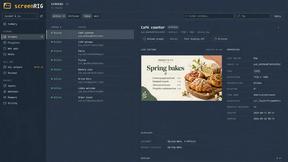
screenRIG
Signage and kiosk infrastructure for AI agents. Your agent publishes images, video, streams, web pages and apps to screens via one plugin.screenRIG is

NameSoul
Get a meaningful Chinese name — with its past-life story, clan totem, seal and brush calligraphy.

fit.
See any outfit on your own photo before you buy, and ask Aira, your AI stylist, what to wear from the clothes you own.









About Self-Healing Integrations Alternatives
Self-Healing Integrations is an innovative solution designed to seamlessly integrate various systems through an agentic platform. It falls under the category of AI Assistants, providing a robust mechanism to automate the ongoing maintenance and monitoring of custom integrations after deployment. Businesses that rely on traditional integration methods often find themselves burdened by a costly integration tax, which hinders the swift launch of new channels or partnerships due to the constant need for adjustments and support. Users typically seek alternatives to Self-Healing Integrations for reasons such as pricing, feature sets, and compatibility with existing platforms. When evaluating alternatives, it's crucial to consider factors like ease of use, the level of automation offered, scalability, and the ability to integrate with diverse systems without incurring high operational costs. A well-rounded solution should not only facilitate initial integration but also ensure a smooth and cost-effective lifecycle management.
FAQs about Self-Healing Integrations Alternatives
What is Self-Healing Integrations?
Self-Healing Integrations is an advanced integration solution that allows businesses to connect various systems through an intelligent platform. It automates the maintenance and monitoring of integrations, ensuring they remain operational without constant manual intervention. This approach significantly reduces the time and expenses typically associated with traditional integration projects.
Who is Self-Healing Integrations for?
Self-Healing Integrations is designed for businesses of all sizes that require efficient and reliable system integrations. It is particularly beneficial for organizations looking to streamline their processes and reduce the complexities and costs associated with ongoing integration management. Companies needing to connect multiple systems or partners will find this solution especially advantageous.
Is Self-Healing Integrations free?
Self-Healing Integrations is a subscription-based service, and pricing may vary based on the features and level of support required. While it is not free, the value it offers in terms of reduced operational costs and improved efficiency can lead to significant savings for businesses in the long run. Prospective users are encouraged to review pricing options that align with their specific integration needs.
What are the main features of Self-Healing Integrations?
The main features of Self-Healing Integrations include automated lifecycle management, real-time monitoring, and proactive maintenance of integrations. The platform utilizes AI to ensure that connections between systems are maintained effectively, minimizing downtime and operational disruptions. This ensures businesses can focus on growth and efficiency rather than on the day-to-day management of their integrations.