

AI tool Details
Explore More
Alternatives
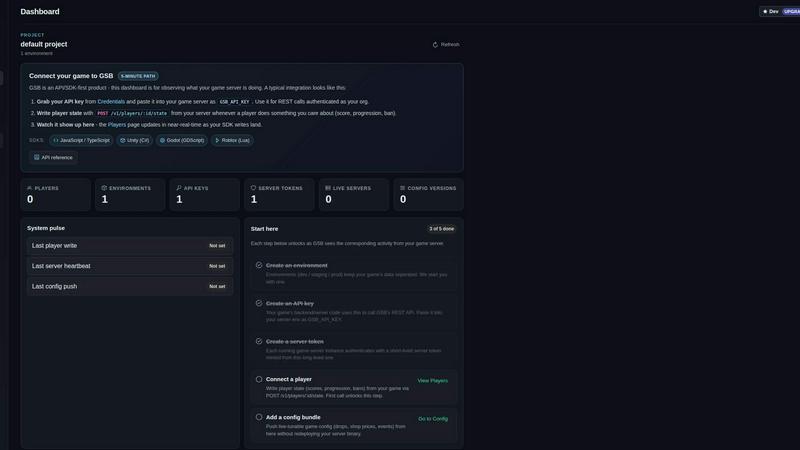
About Game Server Backend
Game Server Backend (GSB) is a comprehensive hosted backend platform specifically designed for studios and indie developers focused on creating multiplayer games. It streamlines the operational infrastructure required for multiplayer titles into a single, cohesive API, enabling teams to launch their games efficiently without the burden of building backend services from the ground up. GSB encompasses various essential features, including matchmaking, global and regional leaderboards, player profiles, and persistent JSON state storage per user. Additionally, it offers a server registry for community-server discovery, in-game economy primitives, and a live-ops configuration layer to facilitate gameplay tuning updates without necessitating client patches. The platform supports three authentication methods: anonymous accounts, passwordless email sign-in, and Steam OpenID for PC games. With SDKs available for Unity, Unreal Engine, and Godot, GSB ensures type-safe APIs that align seamlessly with existing engine patterns, making it easy for developers to integrate. Its versatility extends to Roblox and custom game servers, positioning GSB as an ideal choice for any multiplayer project. Importantly, GSB eliminates the need for multiple vendors for authentication, persistence, and server discovery, providing a streamlined path from prototype to live production. The free forever Dev plan, with no credit card requirement, makes it accessible for teams of all sizes to leverage its capabilities.
Features
Player Authentication
GSB offers a robust player authentication system that includes email and password logins, guest sessions, and OAuth integration with platforms like Google, GitHub, and Discord. This feature enables developers to support real accounts and provide seamless onboarding without the need to build custom authentication solutions from scratch.
Persistent Player Data
With GSB, developers can manage player-scoped and project-scoped JSON documents for various data types, including progression, profiles, inventories, and event flags. This server-authoritative setup ensures data integrity and facilitates patch semantics, allowing for reliable storage and retrieval of player information.
Leaderboards
The platform provides ranked and seasonal leaderboards equipped with configurable rules, fast ranking reads, and support for timed events. GSB also includes anti-cheat mechanisms to manage score submissions, ensuring fair competition and an engaging experience for players.
Live Config Delivery
GSB enables developers to upload versioned configuration bundles, activating them per environment. This feature allows teams to implement balance changes, loot tables, and rulesets on the fly, eliminating the need for full client patches and streamlining gameplay updates.
Use Cases
Indie Game Development
Indie developers can leverage GSB to rapidly prototype and launch their multiplayer titles without the complexity of backend development. The unified API simplifies the integration process, allowing teams to focus on gameplay experiences rather than backend logistics.
Community-driven Games
For games that emphasize community engagement, GSB's dedicated server registry facilitates server discovery, enabling players to find and join community-hosted servers easily. This feature enhances player interaction and fosters a vibrant gaming community.
Live Operations Management
Games requiring ongoing live operations can utilize GSB’s live config delivery to manage real-time game balancing and seasonal updates. This capability ensures that developers can quickly respond to player feedback and maintain game engagement over time.
Cross-platform Multiplayer
GSB supports various platforms, including Unity, Roblox, and custom game servers, making it suitable for cross-platform multiplayer games. This flexibility allows developers to reach a wider audience and provide a consistent experience across different gaming environments.
Frequently Asked Questions
What types of games can use Game Server Backend?
GSB is designed for any multiplayer game, from indie projects to larger studio titles. Its versatility makes it suitable for games developed in Unity, Unreal Engine, Godot, Roblox, and even custom game servers.
Is there a limit to the number of players I can support?
While GSB does not impose explicit limits on player counts, performance may vary based on the specific game implementation and infrastructure. GSB is optimized for scalability, allowing developers to handle varying loads effectively.
How does the free Dev plan work?
The free Dev plan allows teams to access all core features of GSB without any cost and requires no credit card information. This plan is ideal for development and testing purposes, enabling teams to explore GSB's capabilities risk-free.
Can I switch to a paid plan later?
Yes, developers can transition from the free Dev plan to a paid plan as their needs grow. GSB offers scalable solutions, ensuring that teams can upgrade their usage based on the demands of their multiplayer game.
Similar to Game Server Backend

Nitrozen
Publish product updates, embed an in-app changelog widget and host a public changelog page with Markdown, API, SDKs and an MCP server.

RenewRoster
Track every client's domain and SSL expiry in one list, with 60/30/14/3-day alerts, white-label client reminders and a monthly renewals report.

Phantom Blade Zero Saves
Free PBZ starter saves and a browser save editor that never uploads your file.
ShipDesk.Dev
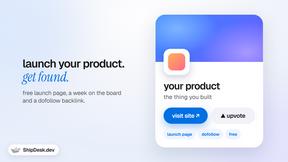
Launch platform for founders. Post your product for free, or launch it straight from Claude Code or Cursor with the ShipDesk MCP server.
Zipic
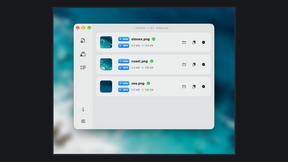
Native image compression for Mac and Windows (Windows beta), with a local CLI and AI skill for automated image workflows.